Vision Source of Hot Springs Offers Prosthetic Eye Polishing!
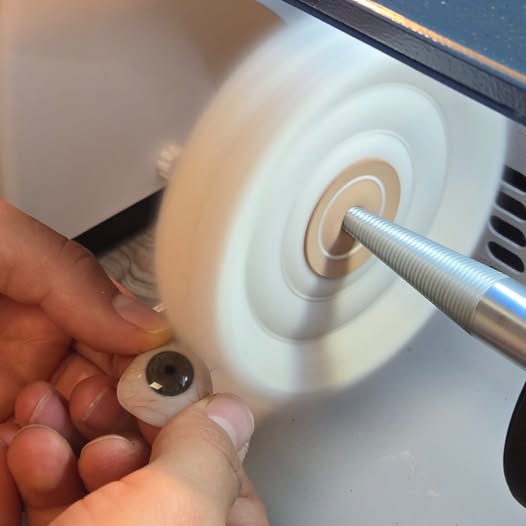
If you wear a prosthetic eye, maintaining its condition and ensuring it fits comfortably over time is essential not only for aesthetics but for your long-term ocular health. One of the most important and often overlooked steps in caring for your prosthesis is scheduling regular polishing appointments.
Why Is Polishing Important?
Over time, protein deposits, debris, and everyday environmental exposure can cause your prosthetic eye to become cloudy or develop a film. Regular polishing:
-
Restores clarity and shine, helping your prosthesis look as natural as possible
-
Improves comfort, reducing irritation or dryness often caused by surface buildup
-
Supports eyelid health, as smoother surfaces reduce friction during blinking
- Removes surface bacteria that can build up over time, which may damage delicate ocular tissue and lead to excess mucous drainage
Most patients find that polishing every 6 to 12 months is ideal.
Things to Know
You will need to be prepared to remove and insert your prosthetic for our technician.
Our technician is not a certified ocularist, but has been trained specifically for polishing ocular prosthetics. A professional polish will restore the prosthetic eye’s comfort and appearance by removing protein deposits, bacteria, and surface scratches.
We recommend that you still visit your ocularist once a year for polishing, repairs, to check for proper fit of the prosthetic, and to check the health of your eye socket.
Your appointment will be approximately 20 minutes. Feel free to bring something with to keep you occupied.